
- Home/
- Buy Propecia Without Prescription in the United Kingdom Online
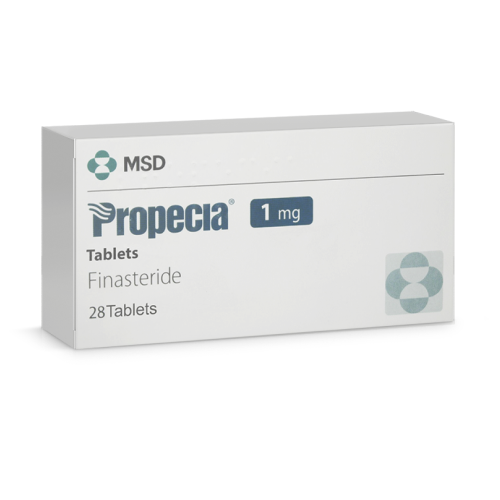
Can You Buy Propecia Without a Prescription in United Kingdom?
No, in United Kingdom, Propecia (finasteride) is a prescription-only medication (POM) and cannot be legally obtained without a valid prescription from a doctor. It is not available for purchase over the counter or through unregulated sources. Always consult a qualified healthcare professional before starting Propecia.
Key Takeaways: What You Need to Know About Propecia in United Kingdom
- Propecia is most suitable for men with mild to moderate male pattern hair loss (androgenetic alopecia).
- Visible results typically appear after 3 to 6 months of continuous use, with optimal benefits seen around 12 months.
- A prescription is legally required in United Kingdom; buying Propecia without prescription is not permitted.
- The most important safety consideration is the potential for sexual side effects and the need for long-term use to maintain results.
- Propecia does not restore hair in completely bald areas and works best when started early in the hair loss process.
- Consult a doctor if you notice breast changes, mood alterations, or symptoms of depression while using Propecia.
How Does Propecia Work for Hair Loss?
Propecia’s active ingredient, finasteride, is a type II 5-alpha reductase inhibitor. This means it selectively blocks the enzyme 5-alpha reductase, which is responsible for converting the male hormone testosterone into another hormone called dihydrotestosterone (DHT). Elevated DHT levels in the scalp cause hair follicles to miniaturise, leading to thinner hair and eventually hair loss in genetically predisposed men.
By lowering DHT concentrations (studies show up to a 70% reduction in scalp DHT levels with daily use), Propecia slows hair follicle miniaturisation and can even reverse some thinning in affected areas. It does not affect testosterone concentrations elsewhere in the body or the underlying cause of male pattern baldness (the genetic predisposition).
In simple terms: If DHT is like a “bad weather” forecast for your hair follicles, Propecia acts as an umbrella—protecting hair from further damage, but not restoring what’s already lost.
Propecia works independently of food or daily routine but requires ongoing use; stopping treatment leads to reversal of benefits within 6–12 months.
References: EMA, NHS, PubMed (2023)
Why Patient Expectations Often Differ from Clinical Reality with Propecia
As a specialist, I notice that many men expect dramatic hair regrowth with Propecia, similar to what’s promised in advertisements or before-and-after photos they see online. In practice, most men can expect a slowing or halting of further loss rather than dramatic regrowth—especially if they have already lost substantial hair. Patients rarely ask about the time frame before visible changes appear, and many become discouraged or discontinue treatment within the first few months, not realising that 6–12 months are usually needed for meaningful improvement. It’s also common for individuals to overlook the need for ongoing therapy; stopping Propecia will almost always result in hair loss resuming.
A question patients almost never ask, but should, is what to do if they experience side effects—particularly sexual or mood-related symptoms. The emotional impact of both hair loss and side effects is under-acknowledged in consultations. I encourage discussion about expectations, side effects, and the long-term commitment required before starting therapy.
How Should Propecia Be Taken? Dosage and Administration in United Kingdom
Standard adult dose: One 1 mg tablet taken orally once a day, with or without food.
- Maximum dose: Do not exceed 1 mg per day for hair loss. Higher doses (5 mg) are used for other conditions like benign prostatic hyperplasia and should only be prescribed for those indications.
- Tablet splitting: Propecia 1 mg tablets are film-coated and should not be split or crushed, as this can impact drug stability and potential absorption.
- Missed dose: If a dose is missed, take it as soon as you remember. Do not double up the next day.
- Duration of use: Minimum 3–6 months before evaluating effectiveness. Maintenance therapy is required for ongoing benefit.
Special populations:
- Propecia is not recommended for women or children, as safety and efficacy have not been established.
- No dose adjustment is typically needed for mild to moderate kidney impairment. Severe liver impairment: use is not recommended without specialist supervision because finasteride is metabolised by the liver.
- Older adults: No adjustment required for hair loss indication, but always discuss with your GP.
Reference: MHRA / EMC
Food, Alcohol, and Lifestyle: What Affects Propecia’s Effectiveness?
- Food: Propecia can be taken with or without food. Meals do not significantly impact its absorption or effectiveness.
- Fatty foods: No clinically meaningful delay in absorption has been reported with high-fat meals.
- Alcohol: There is no direct interaction between Propecia and moderate alcohol consumption. However, excessive alcohol use may worsen hair loss or impact liver function, which is relevant as Propecia is processed in the liver. Stick to current NHS alcohol guidelines (not exceeding 14 units per week).
- Grapefruit juice: No known interaction, but always inform your doctor about all regular foods and supplements.
Who Should Not Use Propecia? Absolute and Relative Contraindications
- Absolute Contraindications:
-
- Women (especially those who are pregnant or may become pregnant) — risk of birth defects if handled or taken. Finasteride can be absorbed through the skin; women who are or may become pregnant should not touch crushed or broken tablets.
- Children and adolescents under 18 years.
- Known hypersensitivity or allergy to finasteride or tablet excipients.
- Relative Contraindications (Caution Required):
-
- Liver impairment: Use with caution; consult a specialist if history of significant liver disease.
- History of depression or psychiatric illness: Propecia may rarely exacerbate mood symptoms.
- Planning to father a child: Discuss risks and benefits with your doctor, as semen levels of finasteride are very low but possible effects on fertility are not fully known.
- Prostate cancer: Propecia may alter PSA (prostate-specific antigen) test results, potentially masking early signs of prostate cancer. Inform your doctor before any PSA tests.
After a heart attack or stroke: No specific restriction, but overall health status should be stable before considering non-urgent medications.
Reference: NHS
What Side Effects Are Most Common with Propecia?
Adverse effects are generally mild and reversible after stopping Propecia, but some can persist. Side effects are classified according to frequency, based on WHO criteria:
- Very common (>1 in 10): None identified.
- Common (1 in 10 to 1 in 100):
- Reduced libido (sex drive)
- Erectile dysfunction (difficulty achieving or maintaining an erection)
- Problems with ejaculation (decreased volume or delayed)
- Uncommon (1 in 100 to 1 in 1,000):
- Breast tenderness or enlargement
- Rash
- Testicular pain
- Depression or mood changes
- Rare (<1 in 1,000):
- Persistent sexual side effects after stopping
- Male breast cancer (very rare)
- Allergic reactions (swelling of lips, tongue, throat)
What to do if side effects occur: For sexual or mood-related symptoms, discuss promptly with your doctor. For allergic reactions (e.g., swelling, difficulty breathing), seek immediate medical help.
References: MHRA / EMC, NHS
Common Pitfalls: Mistakes to Avoid When Using Propecia for Hair Loss
- Stopping too soon: Many users expect rapid improvement and stop treatment after 2–3 months if they don’t see changes. Why this matters: Propecia typically requires at least 6 months for visible results—premature discontinuation wastes the opportunity for benefit.
- Inconsistent dosing: Skipping doses or taking tablets at irregular intervals undermines effectiveness. How to avoid: Set a daily reminder and aim to take Propecia at the same time each day.
- Self-adjusting the dose: Increasing your dose does not speed up hair regrowth and may increase side effect risk. Stick to the prescribed 1 mg daily dose.
- Not reporting side effects: Some men tolerate ongoing symptoms without consulting their doctor, risking avoidable harm. Always report new or concerning symptoms promptly.
- Over-relying on Propecia alone: Neglecting other hair health factors (nutrition, stress, scalp care) may limit results. Address lifestyle factors alongside medication.
- Purchasing Propecia without prescription from unregulated sources: This exposes you to counterfeit risk and legal consequences. Always use a GP or regulated pharmacy in United Kingdom.
How Does Propecia Compare to Alternatives?
Several medications are available for male pattern hair loss in United Kingdom. Below is a structured comparison of Propecia (finasteride) with other commonly used options:
| Medication | Active Ingredient | Typical Dose | Onset of Effect | Common Side Effects | Estimated Price (GBP) | Prescription Needed? |
|---|---|---|---|---|---|---|
| Propecia | Finasteride 1 mg | 1 mg daily | 3–6 months | Reduced libido, erection issues | £35–£55/month* | Yes |
| Generic finasteride | Finasteride 1 mg | 1 mg daily | 3–6 months | Similar to Propecia | £14–£25/month* | Yes |
| Regaine (Minoxidil) | Minoxidil 5% topical | Apply twice daily | 2–4 months | Scalp irritation | £25–£49/month* | No (pharmacy) |
*Price estimates as of May 2026; actual costs may vary by pharmacy and supply chain.
Bottom line: Propecia and generic finasteride offer similar effectiveness, but generics are usually more affordable. Minoxidil is an alternative or adjunct, available without a prescription but generally works best when combined with oral therapy for suitable candidates.
Propecia: Technical and Clinical Specifications
| Active Ingredient | Finasteride |
| Available Strengths | 1 mg (hair loss), 5 mg (other uses) |
| Formulation | Film-coated tablet |
| Prescription Status (UK) | Prescription Only Medicine (POM) |
| Storage | Below 25°C, in original packaging |
| Metabolism | Liver (CYP3A4, non-inducible) |
| Elimination | Urine (39%), faeces (57%) |
| Half-life (T1/2) | 4.5–7.1 hours (young adults); up to 8 hours (elderly) |
Compatibility Check: Can Propecia Be Taken With Other Medicines?
| Product / Medicine | Can It Be Combined? | Consequences / Advice |
|---|---|---|
| Paracetamol or ibuprofen | Yes | No significant interaction |
| Minoxidil (topical) | Yes | Often used together for better effect |
| Warfarin | Generally Yes | Monitor INR, as with all new medicines |
| St John’s Wort | Caution | May reduce efficacy of many medicines; discuss with doctor |
| Herbal supplements | Caution | Always inform your GP or pharmacist |
Always disclose all medicines and supplements to your doctor or pharmacist before starting Propecia.
Step-by-Step: How to Obtain Propecia in United Kingdom
- Initial Consultation: See a GP or a private specialist (e.g., a dermatologist or hair loss clinic) in person or via a regulated telemedicine platform.
- Medical Assessment: Your doctor will review your medical history, examine your scalp, and determine if Propecia is suitable for you.
- Prescription Issuance: If appropriate, the doctor provides a valid prescription. For telemedicine, this may be sent electronically to a pharmacy.
- Pharmacy Fulfilment: Take your prescription to a community pharmacy or use a registered online pharmacy. Propecia in pharmacy outlets is dispensed only with a valid prescription.
- Follow-Up: Regular review is recommended to monitor for effectiveness and side effects. Many GPs and telemedicine services schedule a check-in after 3–6 months.
Note: NHS GPs may not routinely prescribe Propecia for cosmetic hair loss, but many private clinics and dermatologists do.
How to Identify a Safe Online Pharmacy in United Kingdom
To buy Propecia online safely in United Kingdom, only use pharmacies registered with the General Pharmaceutical Council (GPhC). Legitimate online pharmacies must display the GPhC’s green internet pharmacy logo and have a registered physical address in the UK. You can verify registration status on the GPhC register.
- Avoid websites that offer Propecia without prescription—these are illegal and may supply counterfeit or unsafe medicines.
- Check for a secure payment system and clear contact details.
- Be suspicious of prices that seem too cheap or websites that promise “fast delivery” without medical questions.
Use only trusted UK-based platforms for your safety.
How to Spot Counterfeit Propecia and Understand Generics
Counterfeit risks:
- Original Propecia tablets are film-coated, tan-coloured, and marked with “PROPECIA” and “MSD 71” imprint on one side.
- Genuine packaging includes a batch number, expiry date, and manufacturer logo (MSD/Merck Sharp & Dohme).
- Unusually low prices, poor print quality, spelling mistakes, or tablets that differ in colour or shape suggest a counterfeit product.
- UK packs may have a QR code or hologram for verification—scan these using your smartphone to confirm authenticity.
- Generic finasteride contains the same active ingredient at the same dose (1 mg) as branded Propecia. Generics are regulated by the MHRA in United Kingdom and are required to meet strict standards for safety, efficacy, and quality.
- Inactive ingredients (excipients) may differ slightly; rarely, allergic reactions to these can occur. Always check the patient information leaflet for details.
- Generics are more affordable and equally effective for most users; Propecia cheap alternatives in United Kingdom are widely available from licensed pharmacies.
Reference: MHRA
What Should I Do If I Take Too Much Propecia?
- 1. Stop taking further doses immediately.
- 2. Contact NHS 111 or your GP for urgent advice.
- 3. If you develop severe symptoms (such as difficulty breathing, swelling, or severe allergic reaction), call 999 or go to A&E at once.
- 4. Provide information about the amount and time of Propecia taken.
- 5. Bring the medication packaging with you for identification.
Overdose is rarely life-threatening but may increase the risk of side effects; there is no specific antidote for finasteride.
Special Considerations: Chronic Illness, Fertility, and Operating Machinery
- Chronic liver disease: Propecia is metabolised in the liver. Severe impairment may require extra monitoring or avoidance—speak to your specialist.
- Kidney disease: No significant impact on elimination; dose usually unchanged for mild to moderate impairment.
- Fertility: Animal studies show reduced fertility at very high doses, but human risk appears low. Very small amounts pass into semen; discuss before planning a pregnancy.
- Driving and machinery: Propecia does not cause drowsiness or impair ability to operate vehicles or heavy equipment.
- Elderly patients: No specific dose adjustment required for hair loss indication, but always review polypharmacy and overall risk with your GP.
Coping with Hair Loss: Psychological Support Matters
Hair loss can have a significant emotional impact. You are not alone, and many men experience this challenge. Discussing your concerns with your partner, friends, or a mental health professional can be helpful. Psychological and social support is as important as medical therapy and is linked to better overall well-being.
Questions Patients Often Ask doctor About Propecia
- How long should I continue Propecia if I do not see results right away?
- Most men need at least 6 months to notice substantial results. If there is no improvement after 12 months, further assessment is recommended. Stopping early is common but reduces the chance of benefit.
- Are there signs that Propecia is working before I see visible hair regrowth?
- Yes, many patients first notice a reduction in hair shedding. This suggests the medication is acting on the hair cycle, even if regrowth is not yet obvious.
- Is it possible to use Propecia and topical Minoxidil together?
- Yes, combination therapy is often more effective for suitable candidates, especially if hair loss is more advanced. Discuss with your doctor to tailor the approach.
- How is progress monitored during treatment?
- Regular check-ups are important. I track patient-reported hair shedding, scalp photographs, and discuss potential side effects or mood changes at each visit.
- Will stopping Propecia cause rapid hair loss?
- Unfortunately, yes—hair loss typically resumes within months once treatment ends, and any gains are usually lost within 6–12 months.
- Should I be worried about long-term side effects?
- Most side effects resolve after stopping, but persistent symptoms have been reported. Discuss any ongoing symptoms with your specialist.
- Can Propecia be used to treat receding hairline or temples?
- Propecia is more effective for hair thinning at the crown and mid-scalp. Receding hairlines respond less well, but individual results vary.
Clinical Assessment by doctor: Who Benefits Most From Propecia?
In my clinical experience, men aged 18–41 years with mild to moderate androgenetic alopecia (hair loss at the crown or mid-scalp, not longstanding total baldness) benefit most from Propecia. The earlier therapy starts, the greater the chance of halting progression and achieving visible regrowth. Candidates with a strong family history of hair loss and those who are motivated for long-term treatment are likely to see the best results. Propecia is not an ideal solution for men with complete baldness, significant medical contraindications (such as advanced liver disease), or those who are unable or unwilling to accept the potential for sexual side effects.
Alternative therapies—including topical minoxidil, low-level laser therapy, or surgical hair transplantation—may be preferable for those who cannot tolerate or do not respond to finasteride. Where side effects, cost, or adherence to daily medication are significant concerns, a multidisciplinary approach or further specialist input is warranted. Individual benefit-risk assessments remain central to my prescribing decisions, and I encourage all patients to maintain realistic expectations and ongoing dialogue about their goals.
Frequently Asked Questions About Propecia in United Kingdom
- How effective is Propecia for male pattern hair loss?
- Clinical studies suggest that about 80–90% of men experience either slowed hair loss or some degree of regrowth after 6–12 months of daily use. Maximum benefit is generally seen at 12 months.
- Can I buy Propecia without prescription in United Kingdom?
- No. Buying Propecia without prescription is not legally permitted in United Kingdom. A doctor’s assessment and prescription are required.
- Is it safe to order Propecia online?
- Only if you use a registered UK pharmacy that requires a prescription and displays the GPhC logo. Avoid websites offering Propecia online without prescription, as these are illegal and often unsafe.
- How much does Propecia cost in United Kingdom?
- Branded Propecia costs £35–£55 per month, while generic finasteride is more affordable at £14–£25 per month. Prices vary by pharmacy and supply.
- How long do I need to take Propecia?
- Continued daily use is necessary to maintain benefits. Stopping the medicine will usually result in hair loss resuming within a few months.
- What should I do if I experience side effects?
- Contact your doctor promptly. Most side effects resolve after stopping, but always report persistent symptoms for specialist evaluation.
- Is Propecia available in pharmacy outlets in United Kingdom?
- Yes, but only with a valid prescription from a doctor.
- Are there cheap Propecia alternatives?
- Generic finasteride 1 mg tablets are clinically equivalent and more affordable. Always obtain from licensed pharmacies.
- What is the difference between Propecia and finasteride?
- Propecia is the original brand name for finasteride 1 mg used for hair loss. Generic finasteride contains the same active ingredient and works identically.
- How quickly can I expect delivery if I order Propecia online?
- Licensed UK online pharmacies typically deliver within 1–3 working days after prescription validation. Avoid sites promising next-day delivery without a prescription.
References
- NHS – Finasteride
- European Medicines Agency – Propecia
- Electronic Medicines Compendium (EMC) – Propecia Summary of Product Characteristics
- PubMed – Recent Clinical Study on Finasteride in Male Pattern Hair Loss (2023)
- General Pharmaceutical Council Register
- MHRA – Medicines and Healthcare products Regulatory Agency
- NHS – Hair Loss (Alopecia)