
- Home/
- Buy Glucophage Without Prescription in the United Kingdom Online
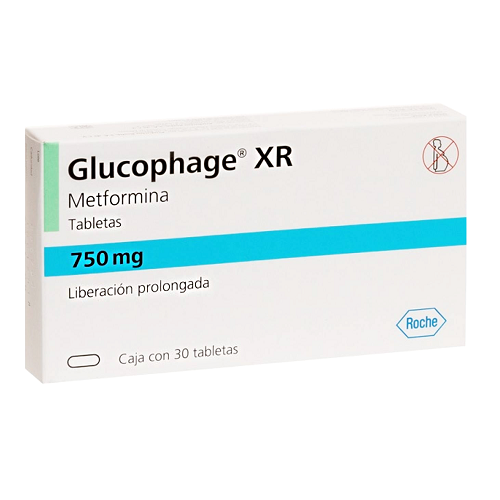
Can Glucophage Be Purchased Without a Prescription in United Kingdom?
Glucophage (metformin) is legally classified as a prescription-only medication (POM) in United Kingdom. It cannot be purchased without a valid prescription from a registered doctor or independent prescriber. Any offer of Glucophage without prescription in United Kingdom is not compliant with UK regulations and may risk your health.
Key Takeaways: What You Need to Know About Glucophage in United Kingdom
- Glucophage is most suitable for adults diagnosed with type 2 diabetes who require oral medication to control their blood glucose levels.
- A prescription is required to buy Glucophage in United Kingdom; it is not legally available without one.
- Positive effects typically begin to show within a few days to weeks but full therapeutic benefits may take longer.
- The most important safety consideration is the risk of lactic acidosis, especially in those with kidney problems or certain other health conditions.
- Glucophage is generally well-tolerated, but gastrointestinal side effects are common, particularly during the first weeks of therapy.
- Always seek medical advice if you experience unusual symptoms or worsening health while using Glucophage.
How Does Glucophage Work in the Body? Mechanism of Action Explained
Glucophage contains metformin hydrochloride, which is classified as a biguanide antihyperglycaemic agent. Its main action is to lower blood glucose by inhibiting hepatic gluconeogenesis (decreasing the liver’s production of glucose), reducing intestinal glucose absorption, and increasing peripheral glucose uptake and utilisation—particularly in muscle cells. This is achieved by activation of AMP-activated protein kinase (AMPK), a key enzyme involved in cellular energy balance, which downregulates genes involved in gluconeogenesis and upregulates those responsible for glucose uptake.
Unlike many other oral diabetes drugs, metformin does not stimulate insulin secretion. Therefore, it does not generally cause hypoglycaemia (dangerously low blood sugar) when used alone. It also has favourable effects on lipid metabolism, modestly lowering LDL and triglyceride levels in many patients. The action of Glucophage is independent of pancreatic beta cell function, meaning it can work even in patients with long-standing diabetes.
In simple terms: Glucophage helps the body use sugar more effectively and stops the liver from making too much sugar, resulting in steadier blood glucose levels.
Clinical Insight: Expectations and Realities in Glucophage Treatment
Many people starting Glucophage expect their blood sugar to normalise almost immediately, but in reality, improvements can be gradual and often depend on consistent use alongside lifestyle changes. I sometimes see patients assume that if they don’t feel different within days, the medication must not be working—when in fact, the benefits can be subtle and only clearly seen in blood test results after several weeks. It’s also common for patients not to realise that gastrointestinal side effects are normal early on and often improve with time. One question I wish more people asked is how to monitor for rare but serious side effects such as lactic acidosis, and when to seek urgent care. In my experience, clarifying these expectations early leads to more successful long-term outcomes.
What Is the Correct Dosage and How Should Glucophage Be Taken?
Always follow your doctor’s instructions precisely. The standard starting dose for immediate-release Glucophage is 500 mg once or twice daily with meals. Some patients may start with 850 mg once daily. The dose is gradually increased, typically in 500 mg increments every 1-2 weeks, depending on blood glucose response and gastrointestinal tolerance, up to a usual maximum of 2000–3000 mg per day (in divided doses).
For Glucophage SR (prolonged-release) tablets, the usual starting dose is 500 mg once daily with the evening meal, titrated up as needed.
Important considerations:
- Tablets should be swallowed whole with water—do not crush or chew prolonged-release tablets.
- Maximum single dose is usually 1000 mg; higher doses should be divided across meals.
- Elderly patients or those with mild kidney impairment may require lower doses and closer monitoring (NICE).
- Glucophage is not recommended in children under 10 years old for type 2 diabetes in United Kingdom.
Peak effect: Blood glucose lowering is typically seen within 1–2 weeks, with maximal benefit after 4–6 weeks. Duration of action is around 6–12 hours for immediate-release and up to 24 hours for prolonged-release forms.
How Does Food, Alcohol, and Lifestyle Affect Glucophage?
Take Glucophage with or after food to minimise stomach upset. High-fat meals do not significantly impact absorption, but taking the medication on an empty stomach increases the risk of gastrointestinal side effects.
Alcohol: Strictly limit or avoid. Drinking large amounts of alcohol, particularly binge drinking or chronic excessive intake, significantly increases the risk of lactic acidosis—a rare but potentially fatal complication. The NHS advises abstaining or consuming only minimal alcohol while on Glucophage. For most adults, this means not exceeding the recommended national daily/weekly limits (NHS alcohol guidelines).
Grapefruit juice: Unlike some medications, there is no known clinically significant interaction between grapefruit juice and metformin.
Lifestyle: Regular physical activity and an appropriate diet amplify the effect of Glucophage. Failing to make lifestyle changes may result in suboptimal control of diabetes, regardless of medication use.
Who Should Not Take Glucophage? Absolute and Relative Contraindications
Absolute contraindications (never use):
- Severe kidney impairment (eGFR < 30 mL/min/1.73 m2)
- Acute metabolic acidosis (including diabetic ketoacidosis)
- Severe liver disease
- History of lactic acidosis with metformin
- Hypersensitivity to metformin or any tablet component
- Alcohol intoxication, binge drinking
Relative contraindications (use with caution and close monitoring):
- Moderate kidney impairment (eGFR 30–45 mL/min/1.73 m2)—dose adjustment and more frequent monitoring required
- Heart failure or recent myocardial infarction
- Severe infection or dehydration
- Major surgery or iodinated contrast imaging—may require temporary discontinuation
- Elderly patients (risk of renal decline)
Why? Most of these contraindications are due to increased risk of lactic acidosis—a build-up of lactic acid in the blood, which can be fatal. Impaired kidney or liver function slows metformin elimination, increasing this risk.
What Side Effects Are Most Common With Glucophage?
Glucophage is generally well-tolerated, but as with any medication, side effects are possible. Below is the breakdown by frequency, following the WHO classification.
- Very common (>1 in 10): Gastrointestinal symptoms—nausea, vomiting, diarrhoea, abdominal pain, decreased appetite. Usually mild, often improve with continued use.
- Common (1 in 100 to 1 in 10): Taste disturbance, especially a metallic taste in the mouth.
- Uncommon (1 in 1,000 to 1 in 100): Mild decrease in vitamin B12 levels with long-term use.
- Rare (<1 in 1,000): Skin reactions such as redness, itching, or rash.
- Very rare (<1 in 10,000): Lactic acidosis (medical emergency—seek urgent medical attention if you feel very unwell, have rapid breathing, stomach pain, muscle cramps, or confusion).
- Unknown frequency: Liver problems, hepatitis (uncommon, but seek immediate care if you develop jaundice).
Guidance: If you experience persistent vomiting, severe diarrhoea, muscle pain, rapid breathing, or confusion, stop Glucophage and contact emergency services immediately. For minor side effects—such as mild nausea or diarrhoea—try taking with food or at a lower dose; consult your doctor if these persist.
Common Pitfalls to Avoid When Using Glucophage: Real-World Patient Mistakes
- Stopping Glucophage abruptly after minor side effects. Many patients discontinue the drug after experiencing gastrointestinal symptoms early on. These symptoms often resolve within weeks or after dose reduction—talk to your doctor before stopping.
- Skipping doses or not taking with meals. Not taking Glucophage regularly, or taking it on an empty stomach, increases the risk of side effects and reduces its effectiveness.
- Taking Glucophage during acute illness or dehydration. During severe infections, vomiting, or dehydration, metformin may accumulate, raising the risk of lactic acidosis. Always inform your doctor if you become seriously unwell.
- Ignoring kidney function monitoring. Metformin is eliminated through the kidneys. Failing to have regular blood tests can increase risk of complications, especially in older adults.
- Combining with excessive alcohol intake. This greatly increases the risk of lactic acidosis and must be avoided.
- Not informing healthcare providers about Glucophage when undergoing scans with contrast dyes. Metformin should be paused before and after certain radiological procedures to prevent kidney complications.
How Does Glucophage Compare to Other Diabetes Medications in United Kingdom?
Here’s an honest comparison of Glucophage (metformin) vs. its main alternatives for type 2 diabetes, focusing on practical factors relevant to patients in United Kingdom.
| Medication | Onset Speed | Duration | Common Side Effects | Cost (Estimated, per 28-tablet pack) | Prescription Required? |
|---|---|---|---|---|---|
| Glucophage (Metformin) | Within 1 week | 6–24 hours (formulation dependent) | GI upset, rare lactic acidosis | £1–£6 (usually NHS prescription charge) | Yes |
| Gliclazide | 1–2 hours | ~12 hours (MR up to 24 hrs) | Low blood sugar, weight gain | £2–£10 | Yes |
| Sitagliptin | 2–4 hours | 24 hours | Respiratory infection, headache | £30–£40 | Yes |
| Empagliflozin | 2–6 hours | ~24 hours | UTI, genital infections | £36–£40 | Yes |
Bottom line: Glucophage is usually the first-line choice for type 2 diabetes in United Kingdom due to its proven efficacy, low cost, and safety profile, but other medications may be used if it is not suitable.
Glucophage: Technical and Practical Information Table
| Parameter | Value |
|---|---|
| Active ingredient | Metformin hydrochloride |
| Available strengths | 500 mg, 850 mg, 1000 mg |
| Formulations | Immediate-release, Prolonged-release (SR/XR) |
| Administration | Oral, with/after food |
| Prescription status (UK) | Prescription only (POM) |
| Common pack size | 28–56 tablets |
| Storage | Below 25°C, dry place |
| Half-life (elimination) | 6–7 hours |
Compatibility Check: Glucophage and Other Common Medications
| Product Type | Can it be Combined? | Consequences |
|---|---|---|
| Paracetamol | Yes | No significant interaction |
| Aspirin (low dose) | Yes | No significant interaction |
| Ibuprofen | With caution | Monitor kidney function in long-term use |
| Alcohol | NO | Increased risk of lactic acidosis |
| Insulin | Yes (if prescribed) | Monitor for hypoglycaemia when combined |
| Iodinated contrast media | NO (temporarily before/after scan) | Risk of kidney injury and lactic acidosis |
What Happens in the Body After Taking Glucophage? Pharmacokinetics Explained
After oral administration, Glucophage is absorbed mainly from the small intestine. Bioavailability is about 50–60%. It is not metabolised by the liver and does not bind significantly to plasma proteins. Metformin is excreted unchanged by the kidneys. The average elimination half-life is about 6–7 hours, but can be prolonged in kidney impairment, increasing the risk of accumulation and lactic acidosis.
No “build-up” or tolerance occurs, but regular kidney function monitoring is essential for those on long-term therapy.
Who Should Take Special Care With Glucophage? High-Risk Patient Groups
People with reduced kidney function: Dose adjustment and more frequent monitoring are required. Severe impairment is an absolute contraindication.
Elderly patients (>65 years): Higher risk due to age-related decline in kidney function—dose may need to be lower, with frequent review.
Liver disease: Avoid use due to increased lactic acidosis risk.
Pregnancy and planning families: Metformin is sometimes used in gestational diabetes or polycystic ovary syndrome (PCOS), but always under specialist supervision. Discuss family planning and pregnancy intentions with your doctor.
Driving and machinery: Glucophage alone does not cause hypoglycaemia, so it does not impair driving ability under normal circumstances. However, if used with insulin or other drugs that can cause low blood sugar, caution is needed.
Glucophage Online in United Kingdom: How to Order Safely and Avoid Counterfeit Medicines
To order Glucophage online in United Kingdom safely, use only registered, regulated online pharmacies, which are required to verify your prescription and display the MHRA logo. The General Pharmaceutical Council (GPhC) maintains a register of licensed pharmacies. Offers to buy Glucophage without prescription or purchase Glucophage cheap from unverified sellers are both illegal and unsafe.
Warning signs of unsafe pharmacies:
- No registration with GPhC or MHRA
- No need for a prescription
- Unusually low prices
- No contact details or UK address
- Unsolicited emails or social media offers
Only regulated pharmacies can guarantee genuine Glucophage in United Kingdom, ensuring you do not receive counterfeit or substandard medication.
How to Spot a Fake: Identifying Counterfeit Glucophage and Understanding Generics
Original Glucophage tablets (by Merck or other approved manufacturers) come in blister packs marked with batch and expiry dates, clear product labelling, and the manufacturer’s logo. The tablets are usually white, film-coated, and may have “500” or “850” scored on one side. The packaging should include a patient information leaflet in English, GPhC registration details, and, increasingly, a QR code or hologram for verification.
Red flags for counterfeit or grey-market products:
- Packaging in a foreign language or no leaflet
- Poor print quality, absence of batch number or expiry date
- Unusually low price (“cheap Glucophage” offers outside NHS pricing are suspicious)
- Tablets with incorrect size, colour, or markings
- Lack of official UK pharmacy logo on website
Generics vs original: Once the patent for Glucophage expired, several generics (e.g., metformin by Teva, Mylan, Accord) became available. These are required by the MHRA to be bioequivalent (work in the same way and to the same extent) as the original. Generics may contain different excipients (inactive ingredients), which rarely but possibly can cause allergic reactions in sensitive individuals. Cost savings are typically passed to the NHS and patients, making generics a safe, affordable alternative to buy Glucophage in pharmacy.
Myth: All versions of Glucophage are the same.
Reality: Only those registered and regulated by the MHRA in United Kingdom can be guaranteed for quality and safety.
Step-by-Step: How to Get Glucophage in United Kingdom
- Consultation: Book an appointment with your GP or diabetes specialist (in person or online if available).
- Assessment: Your doctor will review your medical history, current medications, kidney and liver function, and other factors relevant to safe use.
- Prescription: If appropriate, you’ll be issued a prescription for Glucophage, either electronically or on paper.
- Pharmacy fulfilment: Take or send your prescription to a registered pharmacy (on the high street or an approved online provider).
- Guidance and monitoring: Pharmacist or doctor will advise on starting dose, potential side effects, and arrange blood test monitoring.
- Repeat prescriptions: Ongoing supplies (if needed) will require routine review and periodic blood tests for safety.
Note: Under the NHS, Glucophage is usually covered by standard prescription charges, or free for eligible groups.
Questions Patients Ask Doctors About Glucophage and Diabetes Treatment
- How will I know if Glucophage is working for me?
- Most people won’t notice an immediate feeling of change—improvements are seen in your blood glucose tests over time. Your doctor will review your blood results after a few weeks to assess your response.
- Can I ever stop Glucophage if my diabetes improves?
- That depends on your long-term control and overall health. Some patients can reduce or stop therapy with significant weight loss and lifestyle changes, but this must only be done under medical supervision to avoid uncontrolled diabetes.
- What should I do if I miss a dose?
- If you forget, take your next dose at the usual time. Do not double up. Consistency is important for optimal control, so set reminders if needed.
- Will Glucophage cause me to gain or lose weight?
- Glucophage is typically weight-neutral or may even cause mild weight loss. It does not cause weight gain, unlike some alternative diabetes medications.
- Do I need to check my blood sugar every day?
- Not everyone needs to monitor at home every day, but your doctor may recommend regular checks especially when starting treatment or if you take other medications that can cause low blood sugar.
- Can I take Glucophage with my other medications?
- In most cases yes, but always inform your doctor and pharmacist about all medicines, supplements, or herbal products you use, as some combinations may require monitoring.
- What happens if I get sick or need surgery while taking Glucophage?
- Always inform healthcare staff that you’re taking Glucophage. Under certain circumstances (dehydration, major illness, or surgery), it may need to be paused temporarily for safety.
Psychological Support: You’re Not Alone in Managing Type 2 Diabetes
Type 2 diabetes is extremely common and nothing to be ashamed of. Many people struggle with the diagnosis or the need for lifelong medication—it’s normal to feel anxious or uncertain. Seek support from friends, family, or a diabetes nurse specialist. Discuss any concerns openly with your healthcare team; you’re not alone, and effective help is available.
What Should I Do If I Take Too Much Glucophage?
- Stop taking Glucophage immediately.
- Call NHS 111 or emergency services (999) right away—especially if you feel breathless, confused, very weak, or have severe stomach pain.
- Inform the medical professional of the dose taken, time, and any symptoms.
- Do not wait for symptoms to get worse—lactic acidosis can be life-threatening and requires urgent hospital treatment.
Clinical Takeaway from doctor: Who Benefits Most from Glucophage and When to Consider Alternatives
As a clinician, I find that Glucophage is usually the preferred first-line treatment for adults with type 2 diabetes, especially in those who are overweight or have signs of metabolic syndrome. Its ability to lower glucose without causing hypoglycaemia or weight gain makes it suitable for long-term use in most patients. However, it may not be ideal for those with significant kidney or liver impairment, or those prone to gastrointestinal intolerance despite careful titration. When Glucophage alone does not provide adequate control, or if side effects persist, alternatives such as SGLT2 inhibitors, DPP-4 inhibitors, or sulfonylureas may be considered. In every case, individual risk factors—including cardiovascular status, renal function, and patient preferences—guide my decision to continue, switch, or combine therapies. Regular review and open dialogue with the patient are essential to optimise outcomes and safety.
FAQ About Glucophage in United Kingdom
- Is Glucophage effective for all patients with type 2 diabetes?
- Glucophage is effective for most people with type 2 diabetes, particularly those who are overweight, but some may require additional medications for optimal control.
- How much does Glucophage cost in United Kingdom?
- On the NHS, most patients pay the standard prescription charge (£9.65 per item as of 2026). Private purchase prices vary but are generally affordable.
- Can I buy Glucophage without prescription in United Kingdom?
- No—Glucophage is only available with a prescription from a registered healthcare professional. Buying without prescription is illegal and risky.
- Is it safe to buy Glucophage online?
- Only if purchased from a regulated, GPhC-registered UK pharmacy that requires a valid prescription. Avoid sites that offer Glucophage without prescription.
- How long does it take for Glucophage to start working?
- Some improvement in blood sugar may be seen within a week, but full effects can take several weeks.
- What are the most common side effects of Glucophage?
- Gastrointestinal symptoms such as nausea, diarrhoea, and abdominal discomfort are most common, especially at the start of treatment.
- Can Glucophage be taken with other diabetes medications?
- Yes, it is often used in combination, but always under medical supervision to minimise risks.
- Is Glucophage safe during pregnancy?
- Only under specialist guidance, such as for gestational diabetes or PCOS. Always discuss pregnancy intentions with your doctor.
- How should Glucophage be stored?
- Store below 25°C in a dry place, away from children. Keep in original packaging.
- What should I do if I develop side effects from Glucophage?
- For mild symptoms, try taking with food and inform your doctor. For severe or persistent symptoms, stop the medication and seek medical advice.
References and Sources
- National Institute for Health and Care Excellence (NICE). Type 2 diabetes in adults: management. Accessed 2026. https://www.nice.org.uk/guidance/ng28
- NHS. Metformin – Medicines A to Z. Accessed 2026. https://www.nhs.uk/medicines/metformin/
- Electronic Medicines Compendium (eMC). Glucophage 500mg Tablets – Summary of Product Characteristics. Accessed 2026. https://www.medicines.org.uk/emc/product/956/smpc
- British National Formulary (BNF). Metformin Hydrochloride. Accessed 2026. https://bnf.nice.org.uk/drugs/metformin-hydrochloride/
- Medicines and Healthcare products Regulatory Agency (MHRA). Accessed 2026. https://www.gov.uk/government/organisations/medicines-and-healthcare-products-regulatory-agency
- PubMed. Metformin recent review. Accessed 2026. https://pubmed.ncbi.nlm.nih.gov/
- WHO Model List of Essential Medicines. Metformin. Accessed 2026. https://www.who.int/medicines/publications/essentialmedicines/en/
- General Pharmaceutical Council (GPhC). Find a pharmacy. Accessed 2026. https://www.pharmacyregulation.org/registers/pharmacy