
- Home/
- Buy Doxycycline Online in the United Kingdom – Fast UK Delivery
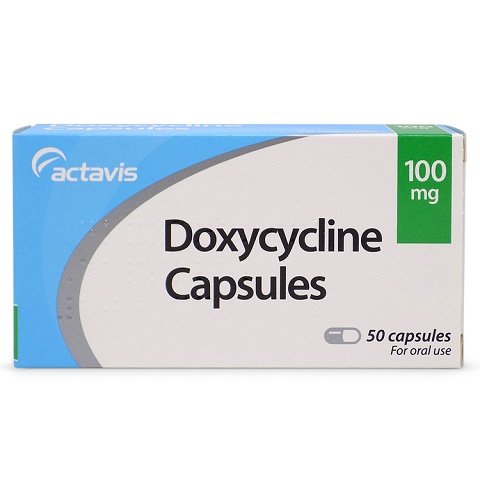
Can I buy Doxycycline without a prescription in United Kingdom?
No, Doxycycline cannot be bought without a prescription in United Kingdom. It is a prescription-only antibiotic, and you must have a valid prescription from a qualified healthcare professional to obtain it legally from a pharmacy or through any legitimate online pharmacy services.
Key Takeaways
- Doxycycline is a prescription-only antibiotic in United Kingdom. You need a doctor’s assessment before you can buy Doxycycline or order Doxycycline online.
- It is used to treat a wide range of bacterial infections, including respiratory tract infections, skin infections, Lyme disease, and some sexually transmitted infections.
- Most people start to notice improvement within a few days, but it is critical to complete the full prescribed course for best results and to prevent antibiotic resistance.
- Do not attempt to purchase Doxycycline without prescription or from unverified sources, as this is illegal and poses significant health risks.
- The most important safety consideration: Doxycycline can cause serious side effects, including severe allergic reactions and photosensitivity (increased risk of sunburn).
- Always seek immediate medical advice if you experience difficulty breathing, swelling, or severe skin reactions while taking Doxycycline in United Kingdom.
What is Doxycycline and how does it work in the body?
Doxycycline is a tetracycline-class antibiotic that works by inhibiting bacterial protein synthesis. Specifically, it binds to the 30S ribosomal subunit of susceptible bacteria, blocking the attachment of aminoacyl-tRNA to the mRNA-ribosome complex. This interruption prevents bacteria from producing essential proteins required for their growth and replication, which stops the infection from spreading and allows your immune system to clear the infection.[EMA]
Doxycycline is effective against a broad range of Gram-positive and Gram-negative bacteria, atypical organisms (such as Mycoplasma and Chlamydia), and even some parasites. Unlike many antibiotics, its efficacy does not depend on external triggers or specific conditions; it works independently as long as therapeutic blood levels are achieved.
Simplified Metaphor: Think of Doxycycline as a “factory shutdown switch” for bacteria—when it blocks the protein assembly line, the bacteria can no longer build what they need to survive.
Understanding Patient Expectations: The Hidden Gaps in Recognition of Doxycycline’s Effectiveness
As a physician, I often find that patients expect antibiotics like Doxycycline to provide instant relief, sometimes within hours. In reality, clinical improvement may take several days, and it’s not always obvious whether the medication is working, especially for conditions where symptoms fluctuate naturally (like acne or chronic sinusitis). Patients rarely ask what to do if their symptoms do not fully resolve by the end of the course, or whether lingering fatigue is normal. Another challenge is that people sometimes mistake a temporary improvement for a cure and stop the medication early, which can lead to recurrence or antibiotic resistance. I wish more patients would ask about what specific warning signs should prompt urgent re-evaluation, as subtle side effects or incomplete responses may require prompt attention.
How should I take Doxycycline for best results?
Doxycycline is usually taken once or twice daily, depending on the infection. Common adult doses range from 100 mg to 200 mg per day, but your doctor will determine the precise regimen and duration. For example, Lyme disease often requires 100 mg twice daily for at least 10–21 days, while malaria prophylaxis may use a single daily dose.[NHS]
- Always swallow Doxycycline capsules or tablets whole with a full glass of water.
- Take while sitting or standing to reduce risk of oesophageal irritation.
- Do not lie down for at least 30 minutes after taking your dose.
- Take with or without food; if gastric upset occurs, a light meal may help, but avoid dairy or antacids within 2 hours of dosing.
- Never exceed the maximum recommended dose of 200 mg per day unless specifically instructed by your doctor.
- Do not split tablets unless the packaging explicitly states they are scored and designed for division.
- For patients over age 65 or with kidney or liver impairment, dose adjustments are rarely needed, but always inform your prescriber about other health issues.
Peak blood levels are typically reached within 2–3 hours of oral administration. The effect duration depends on the infection but generally lasts 12–24 hours per dose.
What should I avoid while taking Doxycycline in United Kingdom?
- Dairy products (milk, cheese, yoghurt): Calcium can bind Doxycycline and reduce its absorption. Take Doxycycline at least 2 hours before or after consuming dairy.
- Antacids and supplements containing aluminium, magnesium, iron, or zinc: These can interfere significantly with absorption.
- Alcohol: Moderate alcohol consumption is not strictly prohibited but may reduce the effectiveness of Doxycycline and increase the risk of side effects. Heavy alcohol use should be avoided due to potential liver strain.
- Grapefruit juice: No clinically significant interaction has been established for Doxycycline, unlike some other antibiotics, but excess grapefruit juice may still affect drug metabolism unpredictably.
- Sun exposure: Doxycycline increases sensitivity to sunlight (photosensitivity). Use high-SPF sunscreen and avoid tanning beds.
Myth vs Reality:
Myth: Doxycycline interacts with all foods and drinks.
Reality: Most foods are safe, but dairy and supplements containing certain minerals can reduce absorption and should be spaced apart from your medication.
Who should NOT use Doxycycline? (Contraindications and Special Warnings)
- Absolute Contraindications:
-
- Children under 12 years of age (risk of permanent tooth discolouration and bone growth inhibition).
- Pregnant women, especially in the second and third trimesters (can harm foetal bone/teeth development).
- Known hypersensitivity to Doxycycline, tetracycline antibiotics, or any excipients.
- History of severe hepatic impairment (risk of drug accumulation/toxicity).
- Relative Contraindications / Use with Caution:
-
- Liver or kidney disease (although dose adjustment is rarely needed, monitoring is advised).
- History of oesophageal reflux or ulceration (Doxycycline can worsen symptoms).
- History of photosensitivity reactions.
- Concomitant use of retinoids (risk of increased intracranial pressure).
- Specific Drug Interactions:
-
- Isotretinoin or high-dose vitamin A (additive risk of raised intracranial pressure).
- Warfarin (anticoagulation effect may be increased—requires INR monitoring).
- Penicillins (may reduce efficacy of both antibiotics).
Always inform your doctor about all medicines and supplements you are taking before starting Doxycycline.
What side effects are most common with Doxycycline?
As with any antibiotic, Doxycycline can cause side effects. These are categorised by frequency according to the World Health Organization’s standards:
- Very common (>1 in 10):
-
- Gastrointestinal upset (nausea, vomiting, diarrhoea, stomach pain)
- Common (1–10%):
-
- Headache
- Photosensitivity (increased risk of sunburn, rash)
- Loss of appetite
- Uncommon (0.1–1%):
-
- Difficulty swallowing, oesophageal irritation or ulceration
- Transient increases in liver enzymes
- Rare (<0.1%):
-
- Severe allergic reactions (anaphylaxis, facial/throat swelling)
- Exfoliative dermatitis or severe skin rashes (Stevens-Johnson syndrome)
- Pseudotumour cerebri (benign intracranial hypertension—headache, vision changes)
What to do if side effects occur:
For mild nausea or upset stomach, try taking Doxycycline with a light non-dairy meal and extra water. For any serious reaction (difficulty breathing, severe rash, swelling), stop taking Doxycycline and seek urgent medical help.
Common pitfalls to avoid when taking Doxycycline: Lessons from real patients
- Stopping the course early after symptoms improve: This is the leading cause of treatment failure and resistance. Always finish the prescribed course, even if you feel better.
- Lying down immediately after taking Doxycycline: Doing so can cause the tablet or capsule to lodge in the oesophagus, leading to severe irritation. Remain upright for at least 30 minutes.
- Taking Doxycycline with milk or antacids: Dairy and some supplements reduce absorption, making the antibiotic less effective. Space doses at least 2 hours apart from such products.
- Excessive sun exposure without protection: Photosensitivity means you may burn much more easily. Use broad-spectrum sunscreen and protective clothing.
- Forgetting to mention other medications to your prescriber: Not disclosing your full medication list increases the risk of dangerous drug interactions.
- Missing doses or irregular timing: Inconsistent dosing can lead to subtherapeutic drug levels and treatment failure. Set reminders to maintain regularity.
How does Doxycycline compare with alternatives? (Competitor Analysis)
Doxycycline is commonly compared with Amoxicillin and Azithromycin for the treatment of several infections. The following table outlines the main differences:
| Parameter | Doxycycline | Amoxicillin | Azithromycin |
|---|---|---|---|
| Onset of Action | 24–48 hours | 12–24 hours | 24 hours |
| Duration per Dose | 12–24 hours | 8–12 hours | 24 hours |
| Common Side Effects | GI upset, photosensitivity | Rash, diarrhoea | GI upset, QT prolongation |
| Administration | With water, upright, avoid dairy | With or without food | With or without food |
| Estimated Price per Course (GBP) | £15–£25 | £10–£18 | £17–£28 |
| Prescription Required in UK? | Yes | Yes | Yes |
Bottom line: Doxycycline is often chosen for its broad coverage, especially when atypical or resistant organisms are suspected. It is not always the fastest-acting antibiotic, and may not be the best option if sun exposure cannot be avoided.
Technical Characteristics of Doxycycline (UK-Approved Formulations)
| Available strengths | 50 mg, 100 mg, 150 mg tablets/capsules |
| Formulations | Tablets, capsules, dispersible tablets, oral suspension |
| Peak plasma time | 2–3 hours post-dose |
| Elimination half-life (T1/2) | 16–22 hours |
| Metabolism | Minimal hepatic metabolism; mainly excreted unchanged |
| Elimination route | Biliary (faecal) and renal (urine) |
| Storage | Below 25°C, dry, original packaging |
Can Doxycycline be combined safely with other common medicines?
| Type of Product | Can it be combined? | Consequences |
|---|---|---|
| Paracetamol | Yes | No significant interaction |
| Ibuprofen | Yes | Monitor for GI side effects |
| Oral contraceptives | Yes (with caution) | Potential reduction in effectiveness; use additional contraception |
| Warfarin | Caution | Monitor INR closely |
| Antacids with aluminium/magnesium | No (at same time) | Significant reduction in absorption; space doses by 2 hours |
| Isotretinoin | STRICTLY NO | Risk of increased intracranial pressure |
How can I get Doxycycline in United Kingdom? (Step-by-Step Guide)
-
Step 1: Book a medical consultation.
Schedule a face-to-face appointment or use an approved telemedicine service in your area (London, Manchester, Birmingham, or anywhere in UK). -
Step 2: Receive a medical assessment.
A GP or specialist will evaluate your symptoms, medical history, and potential drug interactions to determine if Doxycycline is appropriate. -
Step 3: Obtain a prescription.
If indicated, the doctor provides a prescription, either on paper or electronically. -
Step 4: Fulfil your prescription at a pharmacy.
Present your prescription at any registered pharmacy in United Kingdom or approved online pharmacy services. -
Step 5: Begin your course as instructed.
Follow all instructions from your doctor and pharmacist—never order Doxycycline online from unverified websites.
How to identify legitimate online pharmacies for Doxycycline in United Kingdom
- Check for General Pharmaceutical Council (GPhC) registration: All legal pharmacies, including those offering Doxycycline online, must display their GPhC registration number and clickable logo (visit GPhC).
- Require a prescription: A legitimate online pharmacy will never sell Doxycycline without prescription. If a site offers to buy Doxycycline without a prescription, it is not trustworthy.
- Consultation process: Reputable sites require you to fill out a medical questionnaire or have a remote consultation with a UK-registered prescriber.
- Contact details: Look for a UK address and working phone number. Avoid websites that only provide forms or generic email addresses.
- Beware of unlicensed sellers: They may supply counterfeit, substandard, or unsafe medicines. Extremely cheap offers for Doxycycline in pharmacy are a strong warning sign.
Remember: Medicines bought from unregulated sources may be ineffective, dangerous, or even life-threatening. Always purchase Doxycycline in United Kingdom from verified pharmacies.
How can I spot a counterfeit Doxycycline? What about generics?
- Packaging: Original Doxycycline comes in sealed blisters or bottles with clear batch numbers, expiry dates, and proper UK/EU labelling. Counterfeit products often have poor-quality printing, spelling errors, or missing details.
- Price: If you see Doxycycline cheap at a much lower price than in registered pharmacies, it may be counterfeit or unlicensed.
- Physical characteristics: Tablets and capsules should be uniform in colour and shape. UK brands may have specific engravings or logos. Look for QR codes, holograms, or tamper-evident seals on the outer packaging, which many licensed products now include.
- Generics: Generic Doxycycline contains the same active ingredient as branded versions, but may differ in colour, shape, or inactive ingredients (excipients). Generics are rigorously tested for quality and effectiveness by the MHRA (MHRA). Some people may be sensitive to excipients, so check the patient leaflet if you have allergies.
- Tip: Ask your pharmacist if you are unsure about your medication’s authenticity.
How is Doxycycline metabolised and eliminated from the body?
Doxycycline is absorbed rapidly from the gastrointestinal tract, reaching peak plasma concentrations in 2–3 hours. It is minimally metabolised by the liver and is mainly excreted unchanged in bile (via the faeces) and to a lesser extent in urine. The average elimination half-life is 16–22 hours in healthy adults, so once-daily or twice-daily dosing is sufficient. This long half-life contributes to its sustained antibacterial action.
For people with mild to moderate kidney or liver impairment, no major dose adjustment is generally necessary, but caution is always advised.
Is Doxycycline safe for older adults, those with chronic conditions, or when planning a family?
- Elderly patients: Generally well-tolerated, but monitor for side effects such as gastrointestinal upset or liver strain.
- Chronic liver or kidney disease: Doxycycline does not accumulate as much as older tetracyclines, but caution and regular monitoring are still required.
- Pregnancy and breastfeeding: Not recommended due to risks of foetal bone/teeth abnormalities and possible transfer into breast milk.
- Children: Contraindicated under 12 years (tooth and bone effects).
- Driving and machinery: Doxycycline does not typically impair alertness, but rare side effects like dizziness, headache, or visual disturbance mean caution is advised if you experience these symptoms.
- Fertility: There is no evidence that Doxycycline affects fertility in men or women.
Should I buy branded or generic Doxycycline?
Both branded and generic Doxycycline contain doxycycline hyclate as the active ingredient and are equally effective when supplied by a licensed UK pharmacy. Generics are approved by the MHRA for quality, safety, and efficacy, and offer a more affordable option for many patients. The main differences are in the appearance (colour, shape, branding), packaging, and inactive components (excipients).
- Generics: Lower cost, widely available, strict quality controls, may contain different fillers/binders.
- Branded: Often more expensive, but no clinical superiority over generics.
If you have allergies to certain excipients, ask your pharmacist to check the inactive ingredients in your prescribed product.
How can I check if my Doxycycline is genuine?
- Appearance: UK-approved Doxycycline tablets or capsules are usually yellow or greenish-yellow, round or oval, and may be engraved with the manufacturer’s logo or a batch code.
- Packaging: Look for sealed blisters or bottles with legible expiry dates, batch numbers, and full English labelling (including “POM” – Prescription Only Medicine).
- Security features: Many modern packs feature QR codes, holographic seals, or scratch-off panels for verification.
- Patient leaflet: Ensure the product is accompanied by a detailed leaflet with UK contact details for pharmacovigilance reporting.
- If in doubt: Contact your pharmacy or the MHRA to verify authenticity.
What should I do if I take too much Doxycycline?
- Stop taking Doxycycline immediately.
- Call NHS 111 or emergency services (999) in United Kingdom right away.
- Inform medical staff of the amount and time of ingestion, and show them the packaging if possible.
- Do not attempt to induce vomiting unless instructed by a healthcare professional.
Symptoms of overdose may include severe nausea, vomiting, diarrhoea, confusion, or signs of liver injury (yellowing of skin or eyes). Prompt medical attention is essential.
What should I do if Doxycycline does not seem to work?
If you have not improved after the expected period (usually 3–5 days for most infections), or if your symptoms get worse, contact your doctor promptly. Do not increase your dose or self-medicate with other antibiotics, as this can increase the risk of serious side effects and antibiotic resistance. Your physician may recommend further tests, an alternative antibiotic, or referral to a specialist if necessary.
Coping with infection: You are not alone
Many infections treated with Doxycycline can carry a psychological burden, especially if symptoms are chronic or recurrent. Remember, these conditions are common and manageable, and seeking support from your GP, a counsellor, or trusted friends can make a significant difference in your recovery and wellbeing.
Questions Patients Often Ask doctor about Doxycycline
- How will I know if Doxycycline is working for my infection?
- Typically, you should notice improvement in your symptoms—such as reduced fever, pain, or swelling—within 48 to 72 hours of starting Doxycycline. If your symptoms persist or worsen, please notify your GP for further advice.
- Is it normal to feel more tired while taking Doxycycline?
- Mild fatigue may occur, but severe or persistent tiredness is uncommon. If you feel unusually unwell, let your doctor know so other causes can be considered, including infection severity or side effects.
- Why must I avoid sun exposure while on Doxycycline?
- Doxycycline increases the skin’s sensitivity to sunlight, raising the risk of severe sunburn. Even brief exposure may cause a strong reaction, so it’s essential to use sunscreen and cover exposed skin.
- Can I safely continue my oral contraceptive pill while on Doxycycline?
- Doxycycline may slightly reduce the effectiveness of oral contraceptives. For extra protection, use a barrier method (such as condoms) during your course and for 7 days after completion.
- What should I do if I develop a rash or allergy symptoms?
- Stop Doxycycline immediately and contact your doctor or emergency services if you have difficulty breathing, swelling of the face or throat, or widespread rash. These may be signs of a serious allergic reaction.
- Are there long-term risks if I need to take Doxycycline repeatedly?
- Occasional courses are generally safe, but frequent or prolonged use should be monitored for effects on liver function, gut flora, or the development of antibiotic resistance. Regular follow-up with your healthcare provider is important.
- Do I need any tests before starting Doxycycline?
- Not usually, but if you have chronic liver or kidney disease, blood tests may be needed to monitor for side effects. Your doctor will advise based on your medical history.
Clinical Takeaway from doctor: When is Doxycycline the right choice?
In my clinical experience, Doxycycline is most beneficial for individuals with infections where broad coverage—including atypical pathogens—is required, or when patients are allergic to penicillins. It is especially effective for respiratory tract infections, skin and soft tissue infections, Lyme disease, and certain sexually transmitted infections such as chlamydia. However, it may not be ideal for those with a known history of severe photosensitivity, gastrointestinal intolerance, or who are unable to comply with food and lifestyle restrictions (e.g., exposure to strong sunlight, difficulty spacing doses from dairy). Patients with liver impairment require extra caution, and alternative antibiotics may be preferable in pregnancy, children under 12, or when rapid bactericidal action is essential. Reassessment is warranted if symptoms do not improve as expected or if significant side effects occur. Ultimately, the choice of Doxycycline should be individualised based on patient profile, infection type, and risk-benefit considerations.
Frequently Asked Questions about Doxycycline in United Kingdom
- Can I buy Doxycycline in United Kingdom without a prescription?
- No. Doxycycline is a prescription-only medicine in UK. You must have a valid prescription from a registered healthcare professional to legally purchase Doxycycline in pharmacy or order Doxycycline online from a licensed provider.
- Is it safe to buy Doxycycline cheap from online pharmacies?
- Only purchase Doxycycline from verified, registered UK pharmacies. If you see Doxycycline cheap at a much lower price than major chains, or if the pharmacy does not require a prescription, it is likely unregulated and potentially unsafe.
- How long does it take for Doxycycline to work?
- Most people begin to notice improvement within 2–3 days of starting treatment, but the exact timing depends on the infection. Always finish the full course even if you feel better.
- What is the usual dose of Doxycycline for adults?
- The standard adult dose is 100 mg once or twice daily, but your doctor will tailor the regimen to your specific infection and needs. Never exceed the prescribed dose.
- Can I drink alcohol while taking Doxycycline?
- Moderate alcohol use is not strictly contraindicated, but excessive intake may increase side effects and reduce effectiveness. It is safest to minimise alcohol while on antibiotics.
- Are there alternatives to Doxycycline if I am allergic or intolerant?
- Yes. Alternatives include Amoxicillin, Azithromycin, or Clarithromycin, depending on the infection. Your doctor will choose the best option for you.
- Can I take Doxycycline if I am pregnant or breastfeeding?
- Doxycycline is not recommended during pregnancy or breastfeeding due to risks to the baby. Always inform your doctor if you are or may be pregnant.
- How should I store Doxycycline at home?
- Store below 25°C in the original packaging, away from moisture and direct sunlight. Keep out of reach of children.
- What should I do if I miss a dose?
- Take the missed dose as soon as you remember, unless it is almost time for your next dose. Never double up to make up for missed doses.
- Is Doxycycline covered by the NHS?
- Yes, Doxycycline is available on the NHS. Usual charges and exemptions apply as per standard prescription rules in United Kingdom.
Sources / References
- European Medicines Agency. Doxycycline Product Information. Accessed 2026. https://www.ema.europa.eu/en
- NHS. Doxycycline: Uses, Side Effects, Dosage. Accessed 2026. https://www.nhs.uk/medicines/doxycycline/
- Medicines and Healthcare Products Regulatory Agency (MHRA). Safety Information on Doxycycline. Accessed 2026. https://www.gov.uk/government/organisations/medicines-and-healthcare-products-regulatory-agency
- British National Formulary (BNF). Doxycycline Monograph. Accessed 2026. https://bnf.nice.org.uk/drugs/doxycycline/
- PubMed. Doxycycline Pharmacokinetics and Clinical Use. Accessed 2026. https://pubmed.ncbi.nlm.nih.gov/