

- Home/
- Buy Clomid at Low Price in the United Kingdom Online
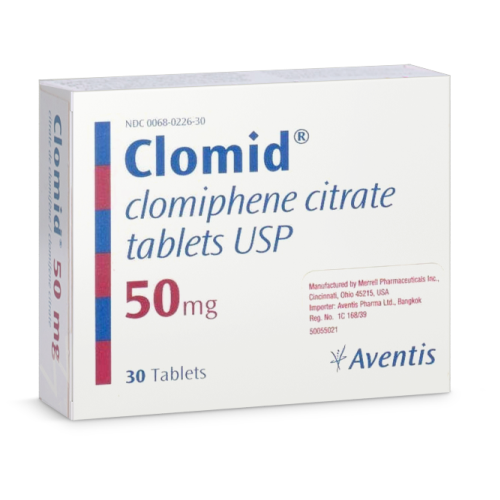
Can Clomid Be Obtained Without a Prescription in the United Kingdom?
Clomid (clomifene citrate) is a prescription-only medicine in the United Kingdom. It cannot be legally obtained without a valid prescription from a qualified healthcare professional. Over-the-counter sale or acquisition from unregulated sources is not permitted and may put your health at risk.
Key Takeaways: Clomid Treatment in the United Kingdom (2026)
- Clomid is primarily prescribed for women experiencing ovulatory infertility and is only initiated following thorough medical assessment.
- A valid prescription is always required to obtain Clomid from any pharmacy, including online services, in the UK.
- Most patients see an effect within one to three months when used according to clinical guidelines, but response times vary.
- Monitoring by a fertility specialist is essential to minimise side effects and ensure safe, effective treatment.
- Clomid is not suitable for all causes of infertility; a doctor will determine if it’s appropriate based on your medical history and diagnosis.
- If you experience side effects or do not see the expected response, seek medical advice before altering or discontinuing therapy.
How Does Clomid Work to Treat Female Infertility?
Clomid’s active ingredient, clomifene citrate, is a selective oestrogen receptor modulator (SERM), which means it binds to oestrogen receptors in the hypothalamus—a region of the brain responsible for hormone regulation. By blocking the negative feedback effect of oestrogen at the hypothalamic level, it tricks the brain into sensing low oestrogen levels. In response, the hypothalamus releases more gonadotrophin-releasing hormone (GnRH), which stimulates the pituitary gland to increase secretion of follicle-stimulating hormone (FSH) and luteinising hormone (LH). These hormones drive the ovaries to develop and release eggs (ovulation).
In simple terms, think of Clomid as rebalancing the body’s hormonal “thermostat”, prompting the ovaries to begin the process of egg maturation and release. Clomid is only effective when the pituitary-ovarian axis is functionally intact; it does not work in cases where ovarian failure or pituitary dysfunction is present.
Myth vs Reality:
Myth: Clomid will help any woman conceive.
Reality: Clomid stimulates ovulation only if the ovaries and hormonal axis are functional; it does not treat all forms of infertility.
How Patient Expectations Often Differ from Clinical Reality
As a fertility specialist, I frequently meet patients who expect Clomid to deliver immediate results or guarantee pregnancy after just one cycle. In reality, response rates vary—while some women ovulate in the first month, others may require several cycles or additional interventions. Many underestimate the need for regular monitoring, believing that once prescribed, the process is automatic. A crucial point often overlooked is that Clomid does not address all causes of infertility; factors such as male infertility or tubal blockage must be considered. I also find that few patients ask about the emotional ups and downs that can accompany hormone therapy, though this can have a significant impact on their experience. It’s important to have open discussions about realistic timelines, potential need for further investigations, and the role of comprehensive care beyond just medication.
What Happens to Clomid in the Body? (Pharmacokinetics Explained)
Clomid (clomifene citrate) is absorbed quickly after oral administration, reaching peak blood levels within 5-7 hours. It is metabolised primarily in the liver, with its active metabolites remaining in the body for a prolonged period. The reported elimination half-life ranges from 5 to 7 days, but some metabolites can persist for weeks, leading to cumulative effects over multiple cycles of use.
Excretion is mainly via the faeces, with minimal renal elimination. Owing to its hepatic metabolism, caution is warranted in patients with liver impairment. Clomid does not require specific conditions for absorption but should be taken at the same time each day for consistent blood levels.
References: electronic Medicines Compendium (UK)
How Should Clomid Be Taken? Dosage, Timing, and Duration
The standard starting dose of Clomid in the UK is typically 50 mg once daily for 5 days, usually beginning on day 2, 3, 4, or 5 of the menstrual cycle as directed by your specialist. If ovulation does not occur, the dose may be increased to a maximum of 100 mg daily in subsequent cycles. Never exceed the maximum recommended dose of 100 mg per day.
- Course duration: A single cycle lasts 5 days. Most women undergo up to 3–6 cycles, depending on clinical response.
- Peak effect: Ovulation typically occurs 5–10 days after the last tablet is taken.
- Tablet splitting: Tablets are usually scored and can be halved if dose adjustment is necessary, but only under guidance from your doctor.
- Missed dose: If a dose is missed, do not double up; contact your doctor for advice.
- Elderly or hepatic impairment: Not recommended due to lack of safety data and increased risk of adverse effects.
References: British National Formulary
How Do Food, Alcohol, and Lifestyle Choices Affect Clomid’s Effectiveness?
- Food: Clomid can be taken with or without food. High-fat meals do not significantly affect absorption, but consistent timing each day is recommended.
- Alcohol: While moderate alcohol does not directly reduce effectiveness, excessive intake can impair liver function and hormone stability, potentially reducing treatment success. For safety, patients are advised to limit alcohol during therapy.
- Grapefruit juice: There is no documented interaction, but as with many medications, large quantities of grapefruit juice can affect liver enzymes and are best avoided during Clomid courses.
- Smoking: Smoking may negatively impact fertility outcomes; cessation is strongly encouraged for those seeking conception.
Compatibility Check Table
Product Can it be combined? Potential Consequence Alcohol (moderate) Yes, with caution May affect liver function, hormonal balance Grapefruit juice Best avoided Potential alteration of drug metabolism Paracetamol Yes No significant interaction Warfarin Monitor Possible increased anticoagulant effect Herbal supplements (St John’s Wort) No May reduce effectiveness of Clomid
Who Should Not Take Clomid? Absolute and Relative Contraindications
- Absolute Contraindications:
- Liver disease or impaired liver function.
- Unexplained uterine bleeding.
- Ovarian cysts not due to polycystic ovary syndrome.
- Known or suspected pregnancy.
- Endometrial carcinoma or hormone-dependent tumours.
- Hypersensitivity to clomifene citrate or any excipients.
- Relative Contraindications (caution required):
- Polycystic ovary syndrome (risk of ovarian hyperstimulation).
- Visual disturbances or history of visual impairment during prior Clomid use.
- Thyroid or adrenal dysfunction (must be corrected before starting Clomid).
Why these risks? Liver impairment increases risk of accumulation and toxicity. Unexplained bleeding may indicate underlying malignancy. Ovarian cysts may enlarge with stimulation. Visual disturbances can signal rare but serious neurological reactions.
What Side Effects Are Most Common with Clomid?
- Very common (>1 in 10):
-
- Hot flushes
- Common (1 in 100 to 1 in 10):
-
- Abdominal discomfort, bloating
- Nausea and vomiting
- Breast tenderness
- Headache
- Mood swings
- Visual disturbances (blurred vision, spots or flashes)
- Rare (<1 in 1,000):
-
- Ovarian hyperstimulation syndrome (OHSS)
- Ovarian cyst formation or enlargement
- Rash or allergic reactions
- Thromboembolic events (blood clots)
- Severe visual symptoms (prompt discontinuation required)
What should you do if side effects occur? If you develop mild symptoms (hot flushes, mild nausea), mention these at your routine review. If you experience severe abdominal pain, rapid weight gain, persistent visual symptoms, chest pain, or shortness of breath, seek immediate medical attention.
Mistakes That Can Reduce Clomid’s Effectiveness or Increase Risks
- Taking Clomid without medical investigation: Some patients start Clomid without confirming ovulatory dysfunction, leading to unnecessary risk and disappointment. Always ensure a complete fertility work-up first.
- Incorrect timing of doses: Ovulation depends on precise cycle timing; missed or mistimed doses can result in ineffective treatment. Use reminders or apps to track dosing days.
- Stopping therapy after the first unsuccessful cycle: Clomid’s effect may require multiple cycles; early discontinuation can mean missing the beneficial window.
- Ignoring monitoring appointments: Regular ultrasound and blood tests are essential to optimise dosing and minimise complications.
- Failing to report visual disturbances: Some patients ignore early signs of vision problems, risking permanent impairment. Report any changes immediately.
- Taking over-the-counter fertility supplements without disclosure: Certain supplements can interact or confound hormone measurements; always inform your doctor of all substances taken.
How Does Clomid Compare with Other Ovulation Induction Treatments?
| Medication | Onset Speed | Duration of Action | Main Side Effects | Prescription Status (UK) | Estimated Cost per Cycle† |
|---|---|---|---|---|---|
| Clomid (Clomifene) | 5–10 days to ovulation | Single 5-day course per cycle | Hot flushes, abdominal pain, visual changes | Prescription only | £15–£35 |
| Letrozole | 5–10 days to ovulation | Single 5-day course per cycle | Fatigue, dizziness, joint pain | Prescription only | £20–£40 |
| Gonadotrophin Injections | Variable (monitored cycles) | Given daily or several times per week | Ovarian hyperstimulation, multiple pregnancy | Prescription only, specialist only | £250–£800+ |
† Pricing is indicative for 2026 and may vary between regions and pharmacies. Clomid and letrozole are oral agents; gonadotrophins require injections and intensive monitoring.
Bottom line: Clomid remains a cost-effective first-line therapy for many women with ovulatory infertility, but alternatives may be preferable depending on individual factors or in case of Clomid failure or intolerance.
Clomid Product Characteristics: Quick Reference Table
| Parameter | Value |
|---|---|
| Active Ingredient | Clomifene citrate |
| Available Strengths | 50 mg (most common), 25 mg (rare) |
| Formulation | Oral tablet |
| Typical Course | 5 days per cycle |
| Peak Effect | 5–10 days after last dose |
| Half-life (T1/2) | 5–7 days |
| Storage | Below 25°C, dry place |
| Manufacturer & Distributors | Sanofi, Generics available |
| Prescription Needed? | Yes |
How Can You Obtain Clomid Safely in the United Kingdom?
- Step 1: Book a Consultation – Arrange an appointment with your GP or a fertility specialist. In major UK cities such as London, Manchester, or Edinburgh, fertility clinics are widely available. Telemedicine options may be available for initial discussions.
- Step 2: Undergo Fertility Assessment – Your doctor will conduct a detailed history, examination, and often blood tests and ultrasound to establish the cause of infertility.
- Step 3: Receive Your Prescription – If Clomid is appropriate, a prescription will be provided. This may include specific instructions about timing and dose.
- Step 4: Pharmacy Fulfilment – Take your prescription to a registered pharmacy (high street or reputable online pharmacy regulated by the General Pharmaceutical Council (GPhC)). The pharmacist will dispense Clomid and provide usage instructions.
- Step 5: Monitoring and Follow-Up – Attend all recommended monitoring appointments as advised by your fertility specialist. Adjustments to dosing or further investigations may be necessary depending on your response.
If you use an online pharmacy, ensure it is registered with the General Pharmaceutical Council.
Questions Patients Often Ask doctor About Clomid Therapy
- How soon after starting Clomid should I expect to ovulate?
- Most patients ovulate 5–10 days after the last tablet in a cycle. If ovulation hasn’t occurred by then, your doctor may adjust the dose or investigate further. Tracking ovulation with home testing kits or ultrasound can provide clarity.
- Is it normal to experience mood swings or hot flushes while on Clomid?
- Yes, these are among the more common side effects. For most, they are mild and temporary. If symptoms become severe or disrupt daily life, report them to your doctor as dose adjustment or an alternative may be considered.
- Can Clomid increase my chance of twins or multiple pregnancies?
- Yes, the chance of multiple pregnancies (mainly twins) rises to around 7–10% with Clomid, compared to 1–2% naturally. Your doctor will monitor your response to minimise this risk.
- What should I do if I have irregular periods?
- Clomid can help induce ovulation in women with irregular cycles. Your doctor will advise on the best time to start each course; accurate cycle tracking and communication with your care team are essential.
- Is monitoring really necessary if I feel fine during Clomid therapy?
- Yes. Monitoring isn’t just for spotting side effects—it’s also to confirm ovulation, optimise dosing, and reduce the risk of complications like ovarian hyperstimulation.
- How will I know if Clomid isn’t working for me?
- If ovulation doesn’t occur after several cycles with increased dosage, or side effects become intolerable, your doctor may discuss alternative treatments or further investigations for you and your partner.
- Does Clomid affect my long-term fertility or health?
- When used under medical supervision, Clomid does not harm long-term fertility. Extended cycles beyond the recommended limit (typically six) are not advised without thorough reassessment due to possible increased risk of ovarian tumours.
How Can You Identify Safe and Legitimate Online Pharmacies in the UK?
- Check for registration with the General Pharmaceutical Council (GPhC): Only pharmacies with a valid GPhC registration number and logo are authorised to supply prescription medicines online. You can verify registration at the GPhC website.
- Look for NHS or MHRA endorsement: Reputable online pharmacies often display logos from the NHS or the Medicines and Healthcare products Regulatory Agency (MHRA).
- Beware of sites offering Clomid without a prescription: These are illegal in the UK. Avoid any seller not requiring a prescription or offering “consultation-free” access.
- Check for clear contact details and UK-based address: A legitimate pharmacy will display its physical address and contact information.
- Unusually low prices and international shipping: These are red flags for counterfeit or unregulated products.
- Consumer protection: Use pharmacies that offer patient support and clear returns policies.
How to Spot Counterfeit Clomid and Recognise Genuine Generics
- Original Clomid: Supplied in manufacturer’s sealed blister packs. Genuine packaging displays batch number, expiry date, and manufacturer information (e.g., Sanofi or authorised generics). Fonts and logos are sharp, with no spelling errors.
- Security features: Newer packaging may have QR codes, holograms, or tamper-evident seals, as mandated by the Falsified Medicines Directive in the UK and EU.
- Counterfeit warning signs: Unbranded blister strips, faded or smudged print, missing information, or exceptionally low prices. Counterfeits may contain incorrect or dangerous ingredients.
- Generics: Legal and widely available in the UK since patent expiry. Generics must meet MHRA standards for bioequivalence and safety. Inactive ingredients (excipients) may differ, so check with your pharmacist if you have allergies or sensitivities.
Generics versus original: Generics provide the same active ingredient and clinical effect at lower cost. However, differences in tablet appearance, packaging, or excipient content may be noted. Always purchase from a licensed pharmacy.
How Can You Be Sure Your Clomid Is Authentic?
Visual inspection: Genuine tablets are white or off-white, round, with clear scoring and embossed markings (such as “CLOMID 50”). The packaging should be robust, with a leaflet in English, and tamper-evident features such as holograms or QR codes. Always check the batch number and expiry date.
What Should You Do in Case of Accidental Clomid Overdose?
- Stop taking Clomid immediately.
- Call 999 or seek urgent medical attention in the UK.
- Inform healthcare professionals about the amount and time of ingestion, and provide the medication packaging where possible.
- Do not attempt to induce vomiting unless instructed by a medical professional.
- Monitor for symptoms such as nausea, vomiting, visual disturbances, or abdominal pain.
There is no specific antidote for Clomid overdose; treatment is supportive and based on symptoms.
Are There Special Considerations for Certain Patients?
- Women with liver disease: Clomid is contraindicated due to risk of accumulation and toxicity.
- Those with metabolic disorders (e.g., diabetes): No direct interaction, but reproductive endocrinology should be closely monitored.
- Women with cardiovascular risks: Clomid may increase the risk of thrombosis; discuss your history with your doctor.
- Driving and machinery: Rare visual disturbances may impair ability to drive; do not drive if vision is affected.
- Fertility and family planning: Clomid increases ovulation rates and the chance of twins; discuss implications with your healthcare provider.
- Men: Although occasionally prescribed off-label for male infertility, this use is specialist-guided and not standard in the UK.
Emotional Aspects of Fertility Treatment: You Are Not Alone
Infertility is common and can affect anyone. The journey often brings emotional ups and downs. Don’t hesitate to seek support—from your partner, a counsellor, or support groups—if you feel stressed, anxious, or discouraged. Addressing the psychological components is as important as the medical treatment itself.
What Should You Do If Clomid Is Not Effective?
If ovulation does not occur after up to three cycles at maximum dose, or if pregnancy is not achieved after six cycles, your specialist may recommend further evaluation for other causes of infertility or consider alternative therapies such as letrozole, gonadotrophin injections, or assisted reproductive techniques (IVF). Never increase the dose or duration yourself—further investigation is essential to find the most appropriate next step.
doctor’s Clinical Assessment: When Is Clomid the Right Choice?
In my clinical practice, Clomid is best suited for women with documented ovulatory dysfunction but otherwise normal ovarian reserve, tubal patency and partner’s fertility. It is most beneficial for those with polycystic ovary syndrome or unexplained anovulation, provided other causes of infertility have been excluded. Patients who are motivated, able to attend regular monitoring, and do not have contraindications such as liver disease or unexplained uterine bleeding, often achieve the best outcomes.
Clomid is less suitable for women with diminished ovarian reserve, tubal blockage, or advanced age, where alternatives or direct referral for assisted conception may be more effective. In cases where three cycles fail to induce ovulation or pregnancy, or significant side effects occur, a switch to letrozole or gonadotrophins, or comprehensive fertility assessment is usually indicated. Risk of multiple pregnancies and ovarian hyperstimulation must always be balanced against potential benefits, and ongoing communication between patient and clinical team remains essential for safe, effective care.
Frequently Asked Questions About Clomid in the UK
- Is Clomid available over the counter in the UK?
- No. Clomid is a prescription-only medicine in the United Kingdom, available only from registered pharmacies after a doctor’s prescription.
- How quickly does Clomid work?
- Ovulation usually occurs 5–10 days after the last tablet, but response varies. Some women respond in the first cycle, while others need several cycles.
- What is the maximum number of Clomid cycles I can take?
- It is generally recommended not to exceed six cycles in total due to reduced efficacy and increased risks with prolonged use.
- What is the typical cost of Clomid in the UK?
- Private prescription prices range from £15 to £35 per cycle. Costs are higher if purchased as part of a fertility clinic package.
- What should I do if I experience side effects with Clomid?
- Report any side effects at your next review. If you experience severe abdominal pain, rapid weight gain, shortness of breath, or visual disturbances, seek immediate medical attention.
- Can I buy Clomid online?
- Yes, but only through UK-registered online pharmacies that require a valid prescription. Avoid websites offering Clomid without prescription or unusually low prices.
- Does Clomid guarantee pregnancy?
- No medicine can guarantee pregnancy. Clomid increases ovulation rates in women with certain types of infertility, but other factors may affect conception.
- Are generic versions of Clomid effective?
- Yes. Generic clomifene citrate is regulated for safety and efficacy by the MHRA in the UK. It is as effective as the branded version if purchased from a licensed pharmacy.
- Can men use Clomid for infertility?
- Clomid is occasionally prescribed off-label for male infertility, but this is not routine NHS practice and should only be undertaken by specialists.
- Do I need to avoid any specific foods or drinks?
- No specific dietary restrictions, but excessive alcohol and grapefruit juice should be avoided due to potential effects on hormone metabolism and liver function.
References
- NHS. Clomifene. Accessed 2026. https://www.nhs.uk/medicines/clomifene/
- British National Formulary (BNF). Clomifene citrate. Accessed 2026. https://bnf.nice.org.uk/medicinal-forms/clomifene-citrate.html
- electronic Medicines Compendium (eMC). Clomid 50 mg tablets Summary of Product Characteristics. Accessed 2026. https://www.medicines.org.uk/emc/product/932/smpc
- PubMed. Efficacy and safety of clomifene for ovulation induction. Accessed 2026. https://pubmed.ncbi.nlm.nih.gov/36993329/
- European Medicines Agency (EMA). Medicines information. Accessed 2026. https://www.ema.europa.eu/en
- General Pharmaceutical Council (GPhC). Pharmacy registration. Accessed 2026. https://www.pharmacyregulation.org/
- Medicines and Healthcare products Regulatory Agency (MHRA). Accessed 2026. https://www.gov.uk/government/organisations/medicines-and-healthcare-products-regulatory-agency