
- Home/
- Buy Antabuse at Low Price in the United Kingdom
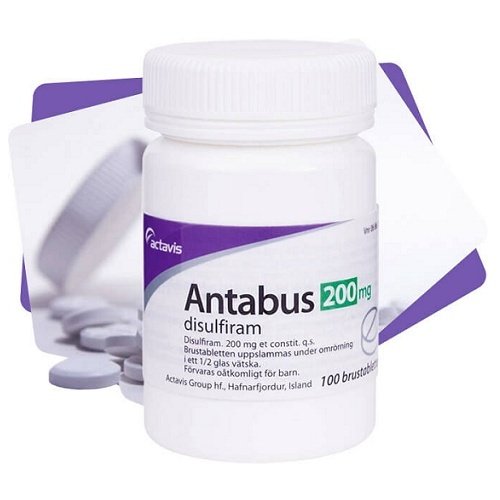
Antabuse (Disulfiram) for Alcohol Dependence in United Kingdom: The Most Complete Guide to Safe Use, Prescription, and Purchase
Can you buy Antabuse without prescription in United Kingdom? No, purchasing or obtaining Antabuse (disulfiram) without a valid prescription is illegal in United Kingdom, including via online pharmacies. All sales require a prescription issued by a registered healthcare professional.
Key Takeaways: Antabuse in United Kingdom (2026)
- Active ingredient: Disulfiram
- Use: Treatment of chronic alcohol dependence (not a “cure” but a deterrent)
- Regulation: Prescription-only medicine (POM) in United Kingdom
- Availability: Dispensed only by licensed pharmacies upon presentation of a valid prescription; can be ordered from UK-based online pharmacies with prescription
- Main contraindication: Severe liver disease, cognitive impairment, recent alcohol intake
- Price: Typically £40–£65 for 28 tablets; Antabuse cheap options may indicate counterfeits (see security section)
- Mechanism: Inhibits aldehyde dehydrogenase, causing unpleasant reactions when alcohol is consumed
- Buy Antabuse without prescription: Illegal and unsafe in United Kingdom
- Generic options: Available as “disulfiram” – same safety, lower cost
How Does Antabuse Work? Mechanism Explained
Antabuse (disulfiram) is a medication used to support the management of alcohol dependence. Its effectiveness is not based on reducing craving but rather on creating a strong deterrent to drinking alcohol. The pharmacological action is through irreversible inhibition of the hepatic enzyme aldehyde dehydrogenase (ALDH). When ALDH is blocked, alcohol (ethanol) consumed by the patient is metabolised to acetaldehyde, but cannot be further broken down. Consequently, blood levels of acetaldehyde rise up to 5–10 times higher than normal.
The accumulation of acetaldehyde leads to highly unpleasant symptoms—the so-called “disulfiram-ethanol reaction.” These can include:
- Flushing
- Palpitations
- Shortness of breath
- Nausea and vomiting
- Headache
- Severe anxiety
- Weakness, hypotension (low blood pressure), and in severe cases, collapse
Think of it like this: If you drink alcohol after taking Antabuse, the body’s normal “clean-up crew” for alcohol (the ALDH enzyme) is blocked. The toxic byproduct (acetaldehyde) piles up, making you feel ill very quickly—acting as a powerful deterrent.
Myth vs Reality
Myth: Antabuse stops craving for alcohol.
Reality: Antabuse does not reduce cravings; it simply makes consuming alcohol physically unpleasant and sometimes dangerous.
Note: The deterrent effect only occurs if alcohol is consumed while the drug is active in the system. It does not reduce alcohol levels nor treat withdrawal symptoms.
For more on the biochemical pathway, see NHS Disulfiram page and PubMed.
Expert Commentary from doctor
In my practice, I’ve seen Antabuse frequently misunderstood as a “magic bullet.” Many patients (and even some prescribers) think starting Antabuse guarantees sobriety. The truth is, it’s most effective as part of a comprehensive treatment plan that includes counselling and social support. Adherence can be a challenge—patients might skip doses if they intend to drink, or underestimate “hidden alcohol” in foods and household products. I always emphasise the need for family or friend involvement to help monitor dosing, as supervised administration greatly improves outcomes. In short, Antabuse is a valuable tool, but not a standalone solution.
Dosage and Administration: How to Take Antabuse Safely
- Standard initiation:
- Patients must be alcohol-free for at least 24 hours (sometimes up to 48 hours) before starting Antabuse to prevent dangerous reactions.
- Typical starting dose:
- 200–500 mg daily for the first 1–2 weeks, taken in one dose each morning to maximise deterrence during the day. After initial phase, maintenance dose is usually 100–200 mg daily.
- Maximum daily dose:
- 500 mg per day (do not exceed unless specifically instructed by a specialist).
- Duration of action:
- Alcohol-aversive effect persists for up to 7 days after stopping therapy, due to slow elimination of disulfiram from the body.
- Can tablets be split?
- Yes, but only if scored. Always check the leaflet for your specific formulation.
- Adjustments for elderly or those with mild liver/kidney impairment:
- Start at the lower end (e.g., 100 mg/day), monitor closely, and titrate up as tolerated.
- Administration tips:
- Take with water, with or without food. Consistency is important—take at the same time daily.
Never double up if you miss a dose. Instead, take the next dose at the usual time.
Interactions with Food, Alcohol, and Other Lifestyle Factors
| Product/Food | Interaction | Consequence/Advice |
|---|---|---|
| Alcohol (any amount, any form) | STRICTLY FORBIDDEN | Severe disulfiram-alcohol reaction (see above). Avoid all alcoholic drinks, even <1 unit. |
| Food with “hidden” alcohol (e.g., desserts, sauces, vinegar) | May trigger reaction | Read labels. Avoid foods with alcohol content, even trace amounts. |
| Grapefruit juice | No significant effect | Safe to consume in moderation. |
| Fatty meals | No clinically relevant impact on absorption | Take with or without food as tolerated. |
| Caffeine | Minimal interaction | Safe in usual dietary amounts. |
| Household products (mouthwash, cough syrup, aftershave) | May contain alcohol | Choose alcohol-free alternatives. Even topical alcohol can cause reaction. |
Bottom line: Avoid all forms of alcohol, including in medicines, food, and cosmetics, while on Antabuse and for at least 7 days after stopping.
Contraindications: Who Should Never Take Antabuse?
- Active alcohol intoxication or ingestion within the past 24–48 hours
- Severe liver failure (elevated transaminases >3x upper limit, history of hepatitis)
- Severe cardiac disease (coronary artery disease, arrhythmias)
- Psychosis, severe cognitive impairment, or severe personality disorder
- Hypersensitivity to disulfiram or excipients
- Pregnancy (especially first trimester) and breastfeeding
- History of severe adverse reaction to Antabuse or related drugs
- Mild/moderate liver or kidney impairment (dose adjustment and close monitoring required)
- History of epilepsy or brain injury
- Older adults (start low and monitor)
- Diabetes (monitor for hypoglycaemia risk due to nausea/vomiting)
- Metronidazole (risk of psychosis and confusion)
- Phenytoin (increased toxicity risk)
- Theophylline and warfarin (potentiation of effect—monitor or avoid)
- Any alcohol-containing medicines
- Wait at least 2–4 weeks after heart attack or stroke, and only under specialist supervision
If you’re ever unsure—consult your specialist before starting or resuming Antabuse.
What Side Effects Are Most Common with Antabuse?
| Frequency | Side Effect | Explanation/Advice |
|---|---|---|
| Very Common (>1/10) | Fatigue, headache, drowsiness, metallic taste | Usually transient; resolves as body adapts |
| Common (1/100–1/10) | Skin rash, acne, neuropathy (tingling or numbness), mild hepatitis, impotence | Monitor; report if persistent or severe |
| Rare (1/1000–1/100) | Psychosis, severe liver injury (hepatitis, liver failure), optic neuritis | Seek urgent medical attention; discontinue immediately |
| Very Rare (<1/10,000) | Severe allergic reaction (anaphylaxis), cardiovascular collapse | Call emergency services (NHS 999) immediately |
What to do if you experience side effects?
- Mild symptoms: Wait and see if they resolve. If bothersome, consult your doctor.
- Severe symptoms (jaundice, confusion, chest pain, allergic reaction): Stop the medication and seek emergency help.
Antabuse Compatibility with Other Medications and Products
| Type of Product | Can it be combined? | Consequences |
|---|---|---|
| Metronidazole (antibiotic) | NO | Severe confusion and psychosis |
| Warfarin (anticoagulant) | With caution | Increased risk of bleeding; monitor INR closely |
| Phenytoin (anti-epileptic) | NO | Toxicity (confusion, ataxia) |
| Paracetamol | Yes | No significant interaction |
| SSRI antidepressants | Usually | Monitor for increased side effects; minimal interaction |
| Nicotine replacement | Yes | No interaction |
| OTC cold medicines | Caution | Check for alcohol content |
Always check the patient information leaflet or consult your pharmacist regarding interactions.
Common Patient Mistakes Observed by doctor
- Stopping Antabuse to “test willpower”: Patients sometimes cease therapy, believing they don’t need external help. This often leads to relapse. Solution: Continue for the full recommended duration (at least 3–6 months), and discuss all changes with your clinician.
- Underestimating “hidden” alcohol: Many are unaware that certain mouthwashes, cooking sauces, or cough medicines contain alcohol. Solution: Check all ingredient labels and ask your pharmacist when unsure.
- Taking Antabuse too soon after last drink: Starting before 24 hours have elapsed can cause severe reactions. Solution: Ensure at least 24–48 hours have passed since the last alcohol intake.
- Skipping doses before anticipated drinking: Some intentionally miss doses to “reset” their ability to drink. Solution: This undermines treatment. Consider supervised administration by a trusted friend or family member.
- Assuming Antabuse treats withdrawal: Antabuse does not help with acute withdrawal and can be dangerous if started too soon. Solution: Withdrawal should be managed separately, usually in a supervised care setting.
- Purchasing Antabuse cheap or without prescription online: Risk of counterfeit products or unsafe dosing. Solution: Only obtain from regulated pharmacies with a valid prescription.
How Does Antabuse Compare to Other Treatments?
| Medication | Main Action | Onset Speed | Duration | Side Effects Profile | Price (per 28 days, UK) | Prescription Needed? |
|---|---|---|---|---|---|---|
| Antabuse (Disulfiram) | Alcohol-aversive | Within 1–2 hours | Up to 7 days after last dose | Metallic taste, drowsiness, risk of severe reaction with alcohol | £40–£65 | Yes |
| Acamprosate | Craving-reduction | Days | Requires continuous dosing | Diarrhoea, abdominal pain | £35–£60 | Yes |
| Naltrexone | Blocks pleasure from alcohol | Within 1 hour | Requires daily dosing | Nausea, headache | £55–£80 | Yes |
Summary: Antabuse is unique in providing a strong deterrent, but is not suitable for all patients. See FAQ for more on alternatives.
Antabuse: Key Characteristics at a Glance
| Parameter | Value |
|---|---|
| Active ingredient | Disulfiram |
| Available strengths | 200 mg, 400 mg tablets |
| Form | Tablet (oral) |
| Prescribing status | Prescription-only |
| Peak effect | 1–2 hours after ingestion |
| Alcohol-averse effect duration | Up to 7 days after last dose |
| Storage | Below 25°C, in original packaging |
| Generic availability | Yes (as “disulfiram”) |
How to Obtain Antabuse Legally in United Kingdom: Step-by-Step
- Consultation: Book an appointment with a GP or addiction specialist (e.g., in London, Manchester, Birmingham, Glasgow) to assess your suitability for Antabuse.
- Assessment: Undergo evaluation (medical history, liver function tests, mental health assessment).
- Prescription: If appropriate, receive a prescription from a registered prescriber. Telemedicine services can provide this, provided they perform a full assessment (see NHS online services).
- Pharmacy Dispensing: Take your prescription to a registered community or hospital pharmacy, or use a UK-based online pharmacy that checks your prescription before dispensing.
- Supervised Administration: Where possible, arrange support from a family member or support worker to ensure adherence.
Important: Never attempt to buy Antabuse online from websites that do not request a prescription. These are often illegal, and products may be counterfeit or unsafe.
How to Spot Counterfeit or Unsafe Antabuse Products
- Packaging: Genuine Antabuse comes in foil blister packs with clear batch numbers, manufacturer details (e.g., Accord, Mylan), and an English-language leaflet.
- Tablet appearance: White, round, sometimes scored, with imprint (e.g., “ANT 200” or manufacturer code).
- Official features: UK packs typically have a unique serial code or 2D barcode for verification. Some online pharmacies display the MHRA green cross logo on their website.
- Price: If you find Antabuse cheap (substantially lower than £40 per month), be wary—this is a common sign of counterfeit or non-equivalent product.
- Leaflet & language: The information leaflet should be in English, up-to-date, and include UK regulatory details.
If in doubt: Ask your pharmacist to verify the product before starting therapy.
Legal Status of Buying Antabuse Online in United Kingdom
In United Kingdom, Antabuse without prescription cannot legally be purchased or imported, even from foreign websites. When purchasing Antabuse online, always use a registered UK pharmacy—you can check the pharmacy’s status on the General Pharmaceutical Council (GPhC) website or via MHRA.
- Prescription requirement: A valid UK prescription is always necessary.
- Risks of non-licensed sources: Products may be counterfeit, unsafe, seized by customs, or could expose you to prosecution.
- Patient safety: Regulation is designed to protect you from substandard or dangerous products.
Original Versus Generic Antabuse: What’s the Difference?
- Original Antabuse: Branded by the original manufacturer, usually higher price (£60–£90/month). Same active ingredient and efficacy as generics.
- Generic disulfiram: Identical active ingredient, tested for bioequivalence. Typically £40–£65/month. Some formulations may have different inert ingredients (excipients), which rarely cause allergy.
- Appearance: Different markings or colours, but always check for UK MHRA approval details on packaging.
- Why choose generics? More affordable, NHS-reimbursed, equal in efficacy and safety when sourced from regulated UK pharmacies.
Advice: Ask your prescriber or pharmacist if a generic is available—this can save money without sacrificing quality.
Pharmacokinetics and Metabolism: How Antabuse Works in Your Body
Absorption: Antabuse is absorbed from the gastrointestinal tract after oral ingestion. Peak plasma concentration occurs in 8–12 hours.
Distribution: Widely distributed in tissues, highly protein-bound.
Metabolism: Undergoes hepatic (liver) metabolism to diethyldithiocarbamate, which is further broken down. Both parent and metabolites are responsible for enzyme inhibition.
Elimination: Primarily via urine and some via lungs (as carbon disulphide). The elimination half-life is variable (60–120 hours), which explains why the effect persists for days after stopping.
Practical point: If you stop Antabuse, avoid alcohol for at least 7 days afterwards, as the drug and its effects linger in the system.
Special Patient Groups: Who Needs Extra Care?
- Liver/kidney impairment: Start at lowest dose, monitor liver enzymes every 1–2 months.
- Older adults (>65 years): Higher risk of neuropathy and confusion. Regular follow-up advised.
- Pregnancy/breastfeeding: Not recommended due to fetal risk and excretion in breast milk.
- Children/adolescents: Not licensed for use.
- Drivers/machinery operators: Drowsiness and confusion possible—avoid driving or operating machinery until you know how Antabuse affects you.
- Fertility: No confirmed effect, but sexual dysfunction reported in some males during treatment.
- Diabetes: Vomiting from reactions may affect blood sugar control.
What To Do in Case of Antabuse Overdose
- Stop taking Antabuse immediately.
- Call emergency services (NHS 999) or go to the nearest A&E department.
- Inform health professionals about the drug, dose, and time of ingestion.
- Do not attempt to induce vomiting without medical advice.
- Bring packaging or leaflet with you if possible.
Overdose symptoms may include confusion, psychosis, cardiovascular collapse, or liver failure.
You’re Not Alone: Addressing Alcohol Dependence with Compassion
Struggling with alcohol dependence is more common than many realise, affecting people across all walks of life. Antabuse offers one tool, but it’s not a sign of weakness to ask for help—consider support from your GP, specialist services, or local confidential support groups. Discuss your goals and concerns openly with your prescriber or a trusted person.
Questions Frequently Asked to doctor
- Q: Do I have to stop drinking completely before starting Antabuse?
- A: Yes. You must be alcohol-free for at least 24 hours (ideally 48 hours) before your first dose to prevent a dangerous reaction.
- Q: Can I ever have “just one drink” while on Antabuse?
- A: No. Even small amounts can trigger a severe reaction. There’s no “safe” dose of alcohol on Antabuse.
- Q: What if I miss a dose of Antabuse?
- A: Take your next dose at the usual time. Don’t double up. Regularity is important, so consider a daily reminder or support person.
- Q: Can I buy Antabuse online without prescription in United Kingdom?
- A: No, it’s illegal and unsafe. Only buy Antabuse from registered UK pharmacies with a prescription.
- Q: Is it safe to use over-the-counter cold remedies while taking Antabuse?
- A: Many contain alcohol—always check labels, ask your pharmacist, and avoid those with alcohol content.
- Q: How long do I need to stay on Antabuse?
- A: Most treatment plans are 3–6 months, but duration should be tailored to your recovery goals—discuss with your specialist.
- Q: Will Antabuse react with painkillers or antidepressants?
- A: Most are safe, but some interact. Always share your full medication list with your prescriber.
Frequently Asked Questions (FAQ)
- Is it legal to buy Antabuse in United Kingdom without a prescription?
- No, a valid prescription is always required; buying Antabuse without prescription is illegal and unsafe.
- Can I order Antabuse online in United Kingdom?
- Yes, but only from a registered UK pharmacy and you must provide a valid prescription.
- Are there any affordable Antabuse options in United Kingdom?
- Yes, generic disulfiram is available and more affordable; always use a regulated pharmacy.
- Will Antabuse cure my alcohol dependence?
- No, it’s a deterrent, not a cure. Success depends on motivation, support, and comprehensive treatment.
- How quickly does Antabuse start working?
- The deterrent effect begins within 1–2 hours and lasts up to 7 days after last dose.
- What alternatives to Antabuse are available?
- Acamprosate and naltrexone are commonly used; each has different mechanisms and suitability.
- Can I drive while taking Antabuse?
- If you feel drowsy or confused, do not drive or operate machinery. Monitor your response.
- How do I know I’m getting real Antabuse in pharmacy?
- Check for MHRA approval, proper packaging, and avoid unusually cheap or unregulated sources.
Professional Opinion of doctor
As a physician with experience in addiction medicine, I believe Antabuse (disulfiram) is best suited for highly motivated individuals committed to abstaining from alcohol, especially in structured recovery programmes or with family support. It’s not a remedy for cravings or withdrawal, but works as an effective deterrent in the right context. I always stress the importance of comprehensive care: psychological support, regular follow-up, and lifestyle change. Some patients may benefit more from alternatives like acamprosate or naltrexone, particularly if cravings are dominant. Ultimately, the decision to use Antabuse should be personalised, weighing medical risks (liver, cardiac, psychiatric) and patient goals. For anyone considering Antabuse in United Kingdom, my advice is to seek guidance from a qualified prescriber, never self-medicate, and embrace all available support networks for the best chance at recovery.
References
- NHS. Disulfiram for alcohol dependence. Accessed 2026. https://www.nhs.uk/medicines/disulfiram/
- Medicines and Healthcare products Regulatory Agency (MHRA). Accessed 2026. https://www.gov.uk/government/organisations/medicines-and-healthcare-products-regulatory-agency
- European Medicines Agency (EMA). Disulfiram Summary. Accessed 2026. https://www.ema.europa.eu/en
- PubMed. Disulfiram latest clinical studies. Accessed 2026. https://pubmed.ncbi.nlm.nih.gov/
- ClinicalTrials.gov. Disulfiram studies. Accessed 2026. https://clinicaltrials.gov/
- NICE. Alcohol-use disorders: diagnosis, assessment and management of harmful drinking and alcohol dependence. Accessed 2026. https://www.nice.org.uk/guidance/cg115
- Mayo Clinic. Disulfiram oral route. Accessed 2026. https://www.mayoclinic.org/drugs-supplements/disulfiram-oral-route/description/drg-20067632